SaaS Spend Management Best Practices: A Practical Guide
Practical, actionable best practices for effective SaaS spend management—visibility, license optimization, consolidation, proactive renewals, and negotiation.
Practical, actionable best practices for effective SaaS spend management—visibility, license optimization, consolidation, proactive renewals, and negotiation.
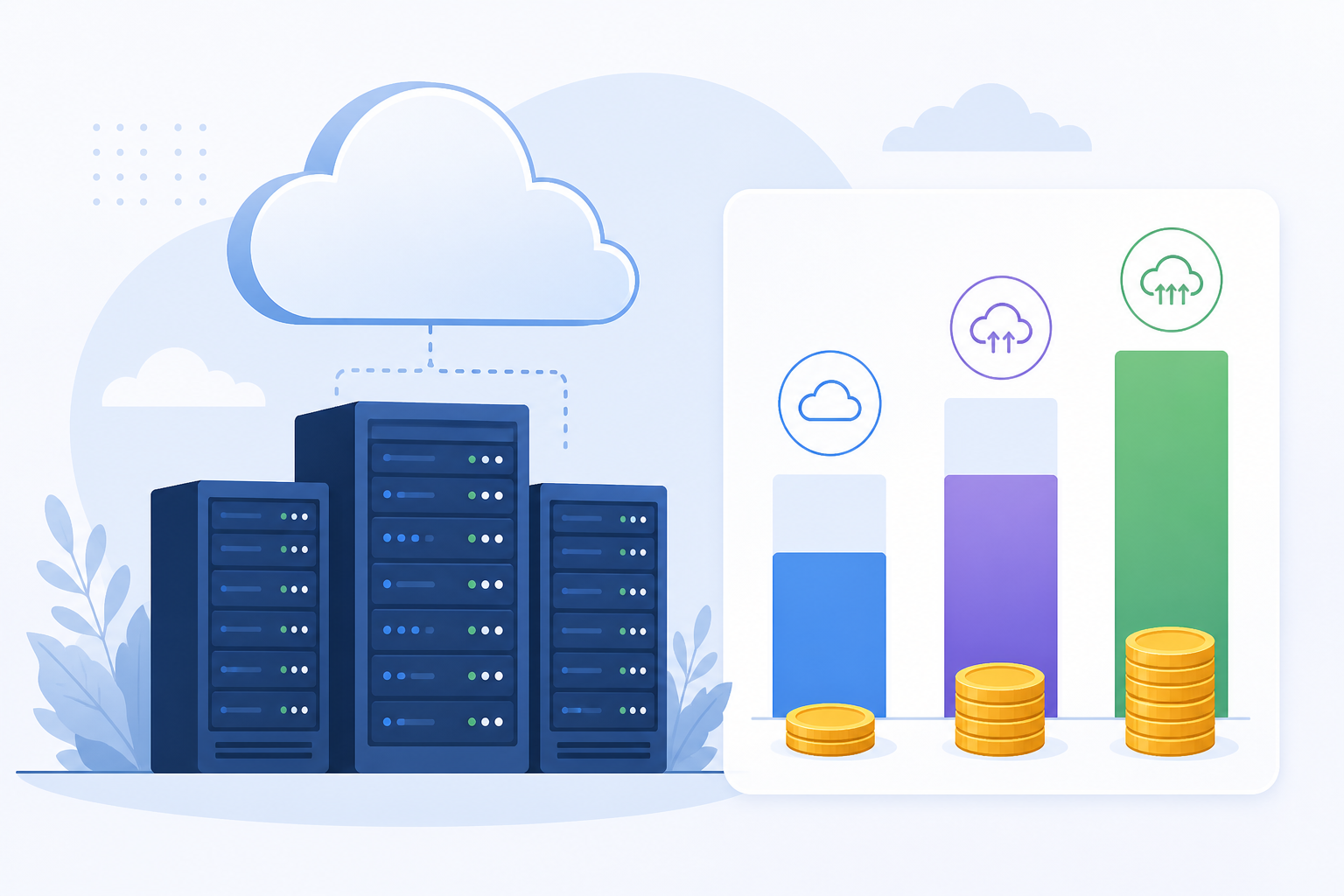
Direct comparison of AWS Reserved, Spot, and On‑Demand instances with cost, availability, risk analysis plus real numbers and decision steps for engineers optimizing cloud spend.

Explore top commercial alternatives to Cloudability for cloud cost visibility, commitment automation, Kubernetes cost allocation, and SaaS spend management—plus how to choose the right tool for your use case.
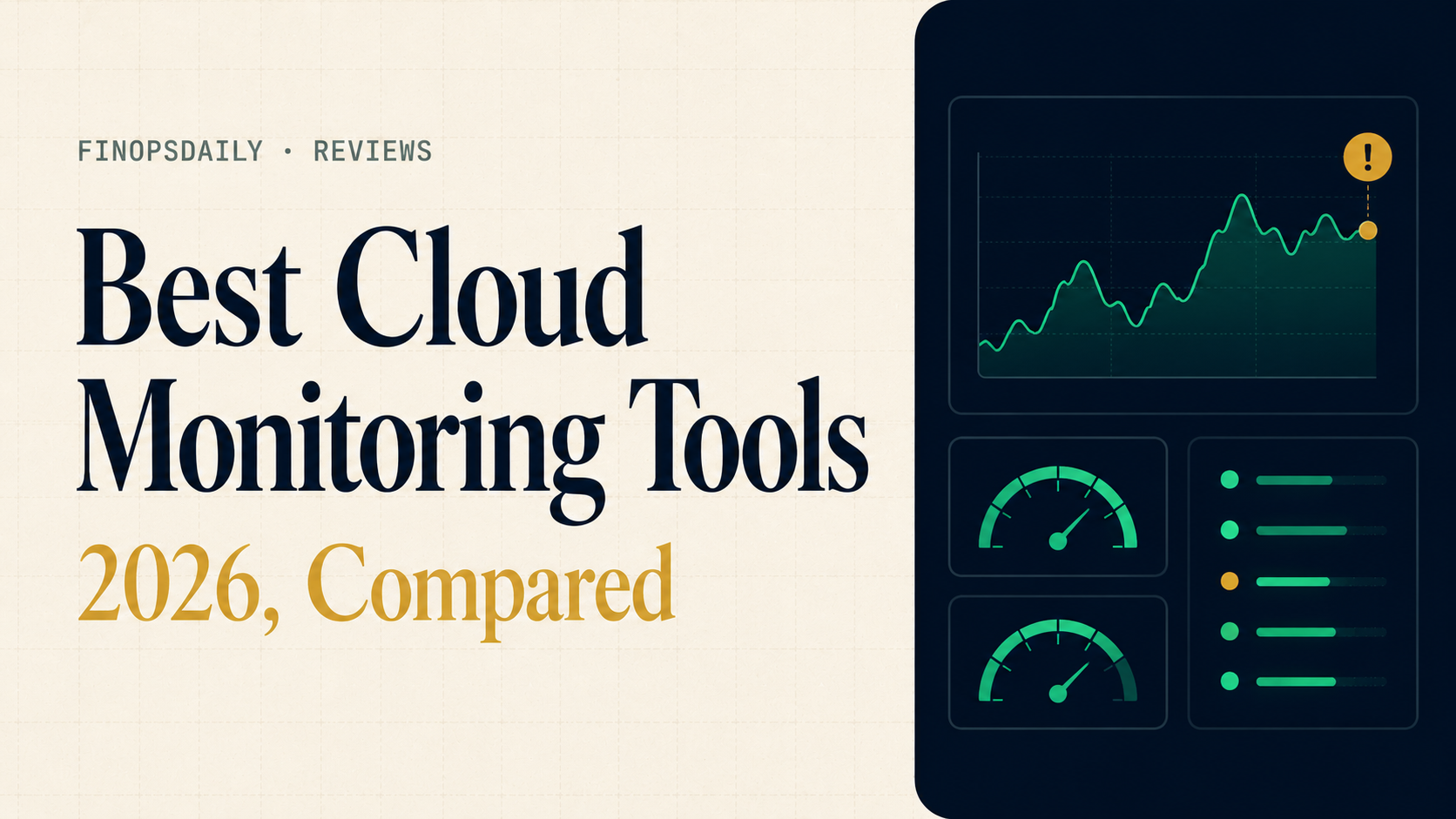
The best cloud monitoring tools in 2026 are Datadog (broadest all-in-one platform), New Relic and Dynatrace (full-stack observability), Grafana with Prometheus (open-source standard), Amazon CloudWatch (native AWS), and cost-focused alternatives…
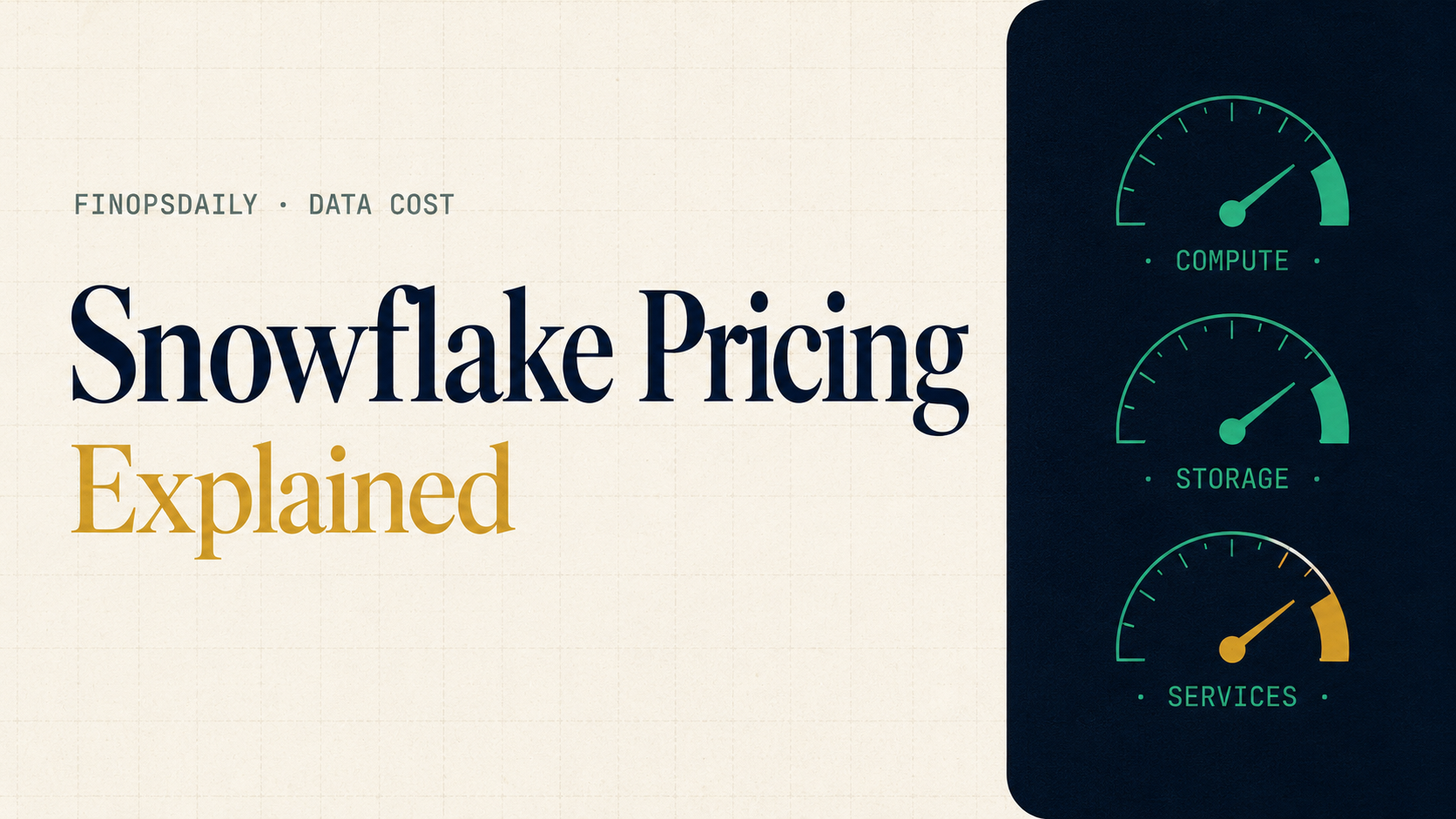
Snowflake pricing is a consumption model with three separate meters: compute (measured in credits and billed per second while virtual warehouses run), storage (per compressed terabyte per month), and a…
To reduce your Datadog bill, cap high-cardinality custom metrics, index only the logs you actually query (and tier the rest to cheaper storage), trim host count and product sprawl, and…
Snowflake cost optimization means reducing your Snowflake bill by controlling how virtual warehouses consume credits — right-sizing them, suspending them when idle, and reining in serverless features — rather than…
SaaS cost management is the practice of gaining visibility into, optimizing, and governing what an organization spends on software-as-a-service and cloud-based tools — from data platforms and observability to collaboration…
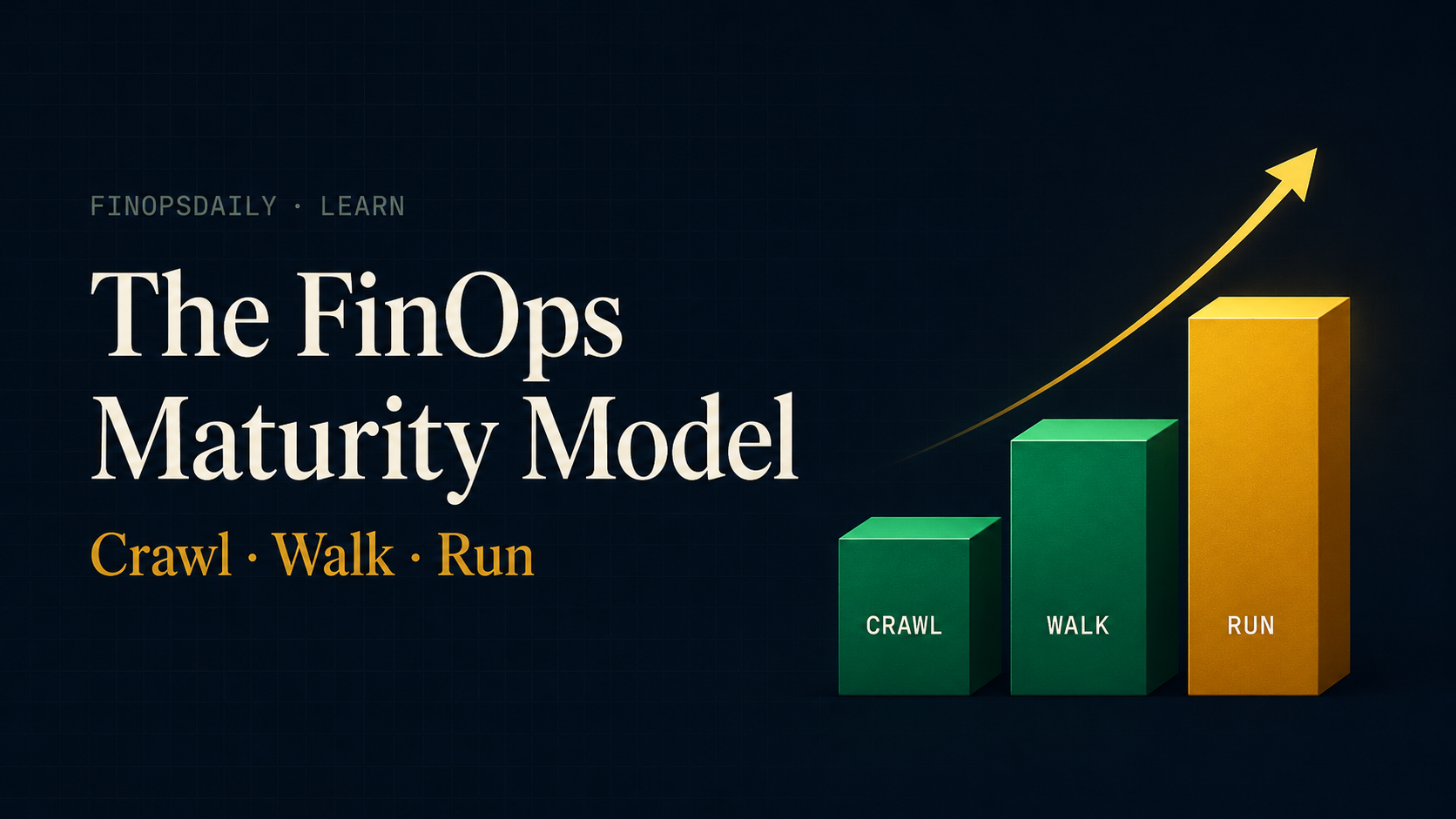
The FinOps maturity model describes how a cloud cost practice grows through three stages — Crawl, Walk, and Run — starting with basic visibility and a few high-impact actions, then…