
Updated November 2026.
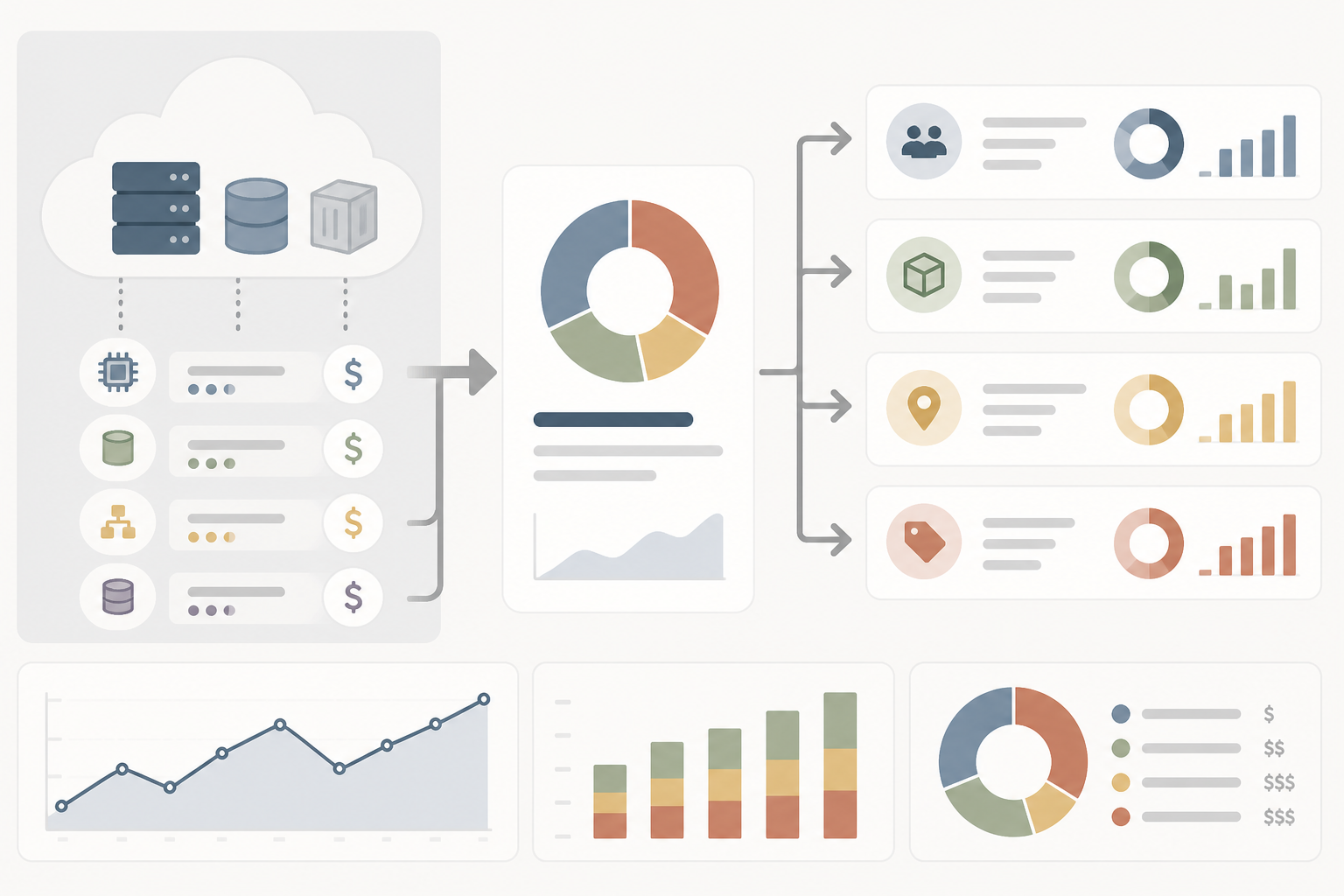
CloudZero is a cloud cost platform built around one idea: show cost in business terms, such as cost per customer, product or feature, instead of cost per service. It suits engineering-led FinOps teams that want unit economics and can invest in setting up allocation. It is a weaker fit if you only want simple reports or a fixed, published price.
This review is based on vendor documentation and public listings, not a hands-on test. Treat it as a guide for what to check in your own trial.
What it does
CloudZero ingests billing data from AWS, Azure and Google Cloud, plus other sources it can pull in through its AnyCost feature (for example Kubernetes, Snowflake or Datadog). It then groups spend using dimensions, which are rules that map cost to teams, products, customers or environments. Its documentation describes allocation that works with imperfect tagging.
The features that matter most in practice:
- Dimensions and the cost explorer, for slicing spend by business unit or customer.
- Unit cost metrics, which divide cost by a business measure such as requests or active users. This is the core of its pitch. See cost per customer for the idea.
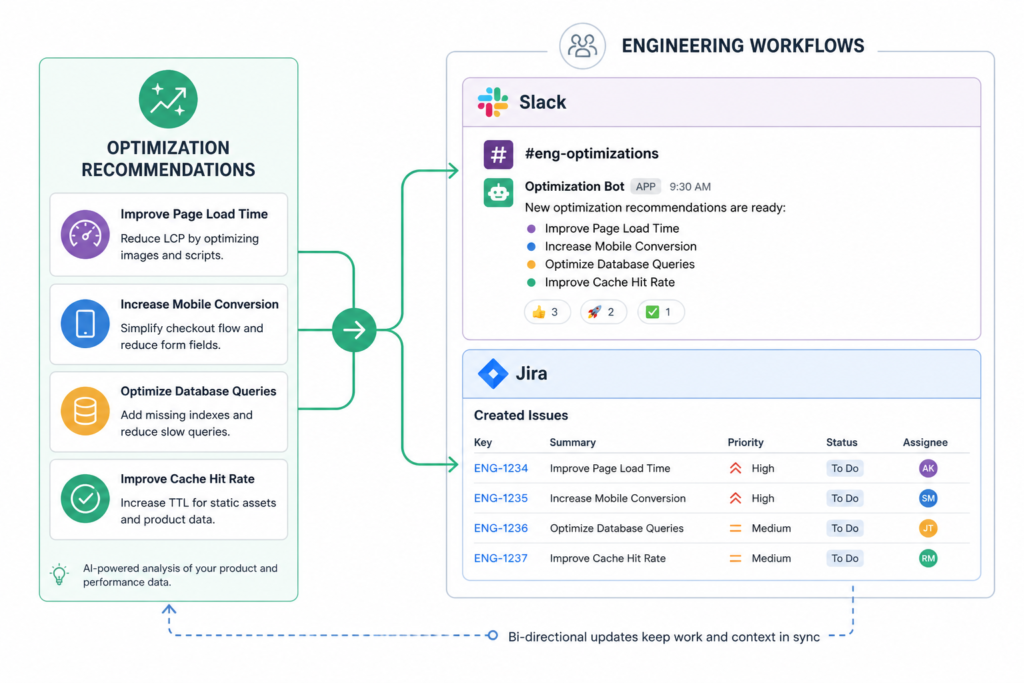
- Anomaly detection and budget alerts that go to email or Slack.
- Kubernetes cost views down to namespace and workload level.
How pricing works
CloudZero does not publish a price list. On the AWS Marketplace, its On-Demand option lists $19 per $1,000 of monthly AWS spend, which works out to 1.9% of monitored AWS spend, with a custom contract option for larger deployments. CloudZero bills overage when spend passes the contracted amount.
Two cautions. The Marketplace meter counts AWS spend, so ask how Azure, Google Cloud and other sources are metered in your quote. And a percentage of spend means the fee grows when your bill does, so negotiate a ceiling or tiers.
Strengths
Teams that care about margin per customer get the most from it, since it treats unit economics as the main view rather than an add-on. Reviewers on public sites also praise hands-on support.
Limits to check
Setup takes real effort. Defining dimensions and unit metrics needs engineering time and people who know your architecture. CloudZero mainly provides visibility and analysis, so for automated commitment purchasing or rightsizing you will likely add other tools. Review role-based access controls and the depth of AI cost views against your needs before you sign.
Who should consider it
| Situation | Fit |
|---|---|
| SaaS company tracking margin by customer | Strong |
| Engineering-led FinOps, spend in the millions | Strong |
| Small bill, wants a free tier | Weak. See Vantage and Cloudability alternatives |
| Need allocation without tags | Compare Finout |
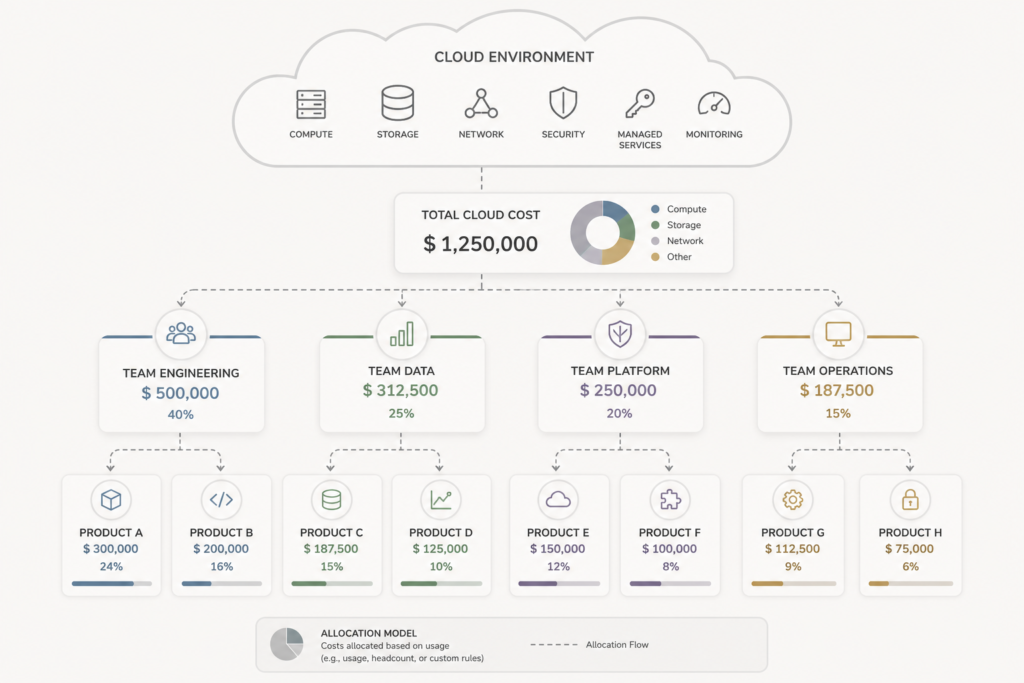
For tools beyond this one, read CloudHealth alternatives, and for the allocation concepts behind it, cloud cost allocation.
Questions people ask
Does CloudZero need perfect tagging?
No tool replaces good tagging, but CloudZero allocates spend with rules layered over incomplete tags. Test that on your own data during a trial.
Is there a free trial?
The AWS Marketplace listing offers a free trial. Confirm current terms with CloudZero.

Pingback: Finout vs CloudZero vs Ternary: Pricing and Fit (2026)