

Cursor pricing in 2026 is tiered by plan—Hobby (free), Start (India-only), Pro ($20/mo), Pro+ ($60/mo), Ultra ($200/mo), Teams ($40–$120/user), and Enterprise (custom)—with usage pools and model-based token fees determining true cost.
Here’s everything you need to know and how to predict what you’ll actually pay.
Last updated: September 18, 2026
What plans does Cursor offer and what’s included?
Cursor pricing is structured into individual and business tiers:
| Plan | Monthly Cost | Highlights |
|---|---|---|
| Hobby | $0 | Core features, limited Agent & Tab usage, no credit card required |
| Start (India only) | ₹649/mo | Generous access to Cursor Models, Cloud Agents, plugins—no Third-party model pool |
| Pro | $20 | Includes Cursor Models and Other Models pools, unlimited Tab completions, Agents, Bugbot, Cloud Agents |
| Pro+ | $60 | Everything in Pro with higher usage allowances |
| Ultra | $200 | Maximum included usage for heavy Agent users |
| Teams Standard | $40/user | Team billing, marketplace, analytics, privacy mode, SSO |
| Teams Premium | $120/user | Team Standard plus 5x Agent limits |
| Enterprise | Custom | Pooled usage, invoice/PO billing, admin controls, audit logs, priority support |
Sources: official Cursor pricing page and documentation ([prod.cursor.com](https://prod.cursor.com/help/account-and-billing/pricing?utm_source=openai)).
How do usage pools work?
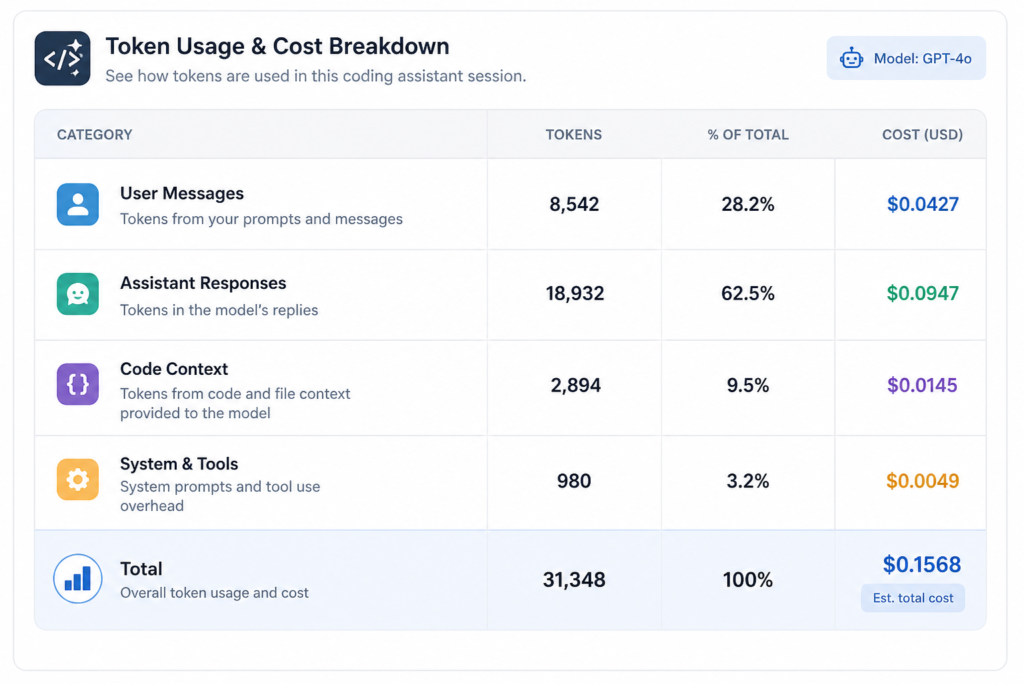
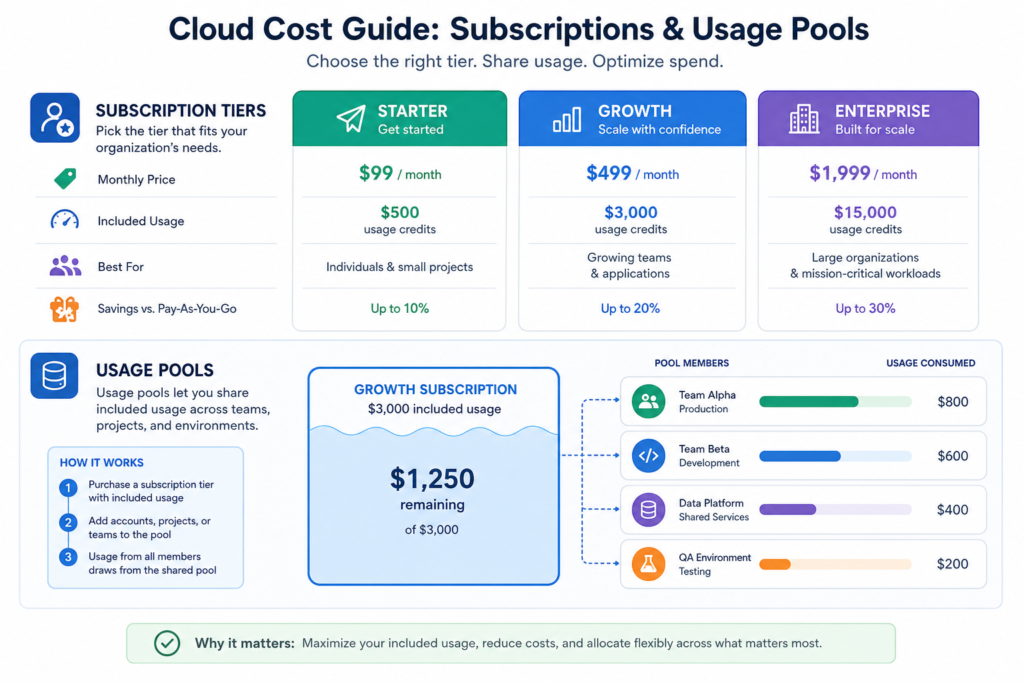
Cursor splits usage into two separate pools that reset monthly:
- Cursor Models pool: Includes Grok 4.6, Grok 4.5, Composer 2.5—first-party, with fixed per-token rates for input/output/fast modes ([prod.cursor.com](https://prod.cursor.com/docs/models-and-pricing?utm_source=openai)).
- Other Models pool: For third-party models (Anthropic, Google, OpenAI, etc.), charged at each model’s API rate plus, on Teams and Enterprise plans, a $0.25/million-token Cursor Token Rate ([prod.cursor.com](https://prod.cursor.com/docs/models-and-pricing?utm_source=openai)).
What does “Auto” mean—and why does it matter?
“Auto” intelligently routes requests via Cursor Router based on selected mode—Cost, Balance, or Intelligence—and bills at whichever model’s list price is used, including Cursor Token Rate for third-party models ([prod.cursor.com](https://prod.cursor.com/help/account-and-billing/pricing?utm_source=openai)).
Note: Enterprise legacy Auto pricing exists until September 7, 2026—flat per-token rate regardless of model ([prod.cursor.com](https://prod.cursor.com/docs/models-and-pricing?utm_source=openai)).
How quickly does usage get consumed—and when do overage charges kick in?
Individual plans include set usage allowances. When exceeded, you either pay on-demand at the same API rates or upgrade to a higher tier ([prod.cursor.com](https://prod.cursor.com/docs/models-and-pricing?utm_source=openai)).
Reported typical usage ranges:
- Daily tab users: stay within included limits
- Limited Agent users: still within included usage
- Daily Agent users: may reach $60–$100/mo total usage
- Power users (multiple Agents/automation): often spend $200+/mo in total usage ([prod.cursor.com](https://prod.cursor.com/docs/models-and-pricing?utm_source=openai)).
Illustration: Cost per model / task (example)
Let’s illustrate cost for a single million-token call:
- Using Cursor Composer 2.5 non-fast: Input $0.5 + Output $2.5 = $3.00
- Using Grok 4.6 Fast: Input $4 + Output $12 = $16.00
- Using Google Gemini 3.7 Flash: Input $0.75 + Output $3.5 = $4.25
- Using Claude Opus 5 (Third-party): Input $5 + Output $25 = $30, plus Cursor Token rate $0.25 = $30.25
Cursor models never incur the extra Cursor Token Rate; third-party models do ([prod.cursor.com](https://prod.cursor.com/docs/models-and-pricing?utm_source=openai)).
What are hidden costs or gotchas to watch?
- Free Hobby plan gives limited usage—you can hit quotas and get locked out until next cycle unless you enable on-demand billing ([forum.cursor.com](https://forum.cursor.com/t/shows-usage-limit-for-auto-model/149326?utm_source=openai)).
- Cursor Token Rate adds per-token overhead on third-party models—easily overlooked unless tracking costs carefully ([prod.cursor.com](https://prod.cursor.com/docs/models-and-pricing?utm_source=openai)).
- Legacy modes (like Max Mode) may have surcharges based on context usage—watch for 20% premiums ([amsamms.github.io](https://amsamms.github.io/Ai_coding_assistants_2025/AI%20Coding%20Assistants%20Compared.pdf?utm_source=openai)).
- Regional data residency may add a 10% markup on model pricing ([prod.cursor.com](https://prod.cursor.com/docs/models-and-pricing?utm_source=openai)).
- Price shifts: Hobby used to cost $1/mo but dropped to $0 by mid‑2026 ([creditsplan.com](https://www.creditsplan.com/brands/cursor/?utm_source=openai)).
- Upcoming enforcement: After November 12, 2026, OpenAI will no longer supply models to Cursor following SpaceX acquisition—expect model access or pricing changes ([tomsguide.com](https://www.tomsguide.com/ai/openai-is-leaving-cursor-in-november-here-are-your-3-options?utm_source=openai)).
How to estimate your expected monthly bill
- Pick your plan based on usage: Hobby for light testing, Pro for daily coding, Pro+ or Ultra for heavy Agents.
- Track usage stats—Cursor dashboard shows included pool usage by model ([forum.cursor.com](https://forum.cursor.com/t/shows-usage-limit-for-auto-model/149326?utm_source=openai)).
- Choose Cursor models where possible to minimize per-token cost.
- If using third-party models, account for extra Cursor Token Rate and consider tipping model selection to cheaper alternatives.
- Enable on-demand usage explicitly to avoid service cutoff when included quota is hit.
Comparison Table: Plan vs Typical Monthly Cost
| Usage Profile | Typical Total Monthly Cost | Notes |
|---|---|---|
| Hobby / light usage | $0 | Stays within free limits |
| Daily coding, light Agents | $20–$50 | Pro plan + some overage on Cursor models or cheap third-party use |
| Daily Agent usage | $60–$100 | Pro+ or high overage usage |
| Power Agent workflows | $200+ | Ultra tier or heavy overage |
What happens after Cursor is acquired by SpaceX?
SpaceX’s acquisition may change Cursor’s model access—OpenAI access ends November 12, 2026—raising both pricing unpredictably and forcing model substitutions ([tomsguide.com](https://www.tomsguide.com/ai/openai-is-leaving-cursor-in-november-here-are-your-3-options?utm_source=openai)).
That makes relying on multi-model flexibility riskier—shift towards Cursor Models or plan for cost shifts post‑November.
Internal links
See our broader breakdown of related services in FinOps for AI Coding Tools to compare Cursor against other AI coding cost strategies.
Also helpful: our guide to Managing AI agent costs.
Frequently Asked Questions
About the Author
Nhon Dang is a cloud infrastructure and operations professional with over 10 years of hands-on experience in cloud services, infrastructure, and business operations. He writes practical, technically accurate, experience-driven guidance to help engineers and businesses optimize cloud and AI-tool costs.
